
The Stuff Family Is Made Of
December 26, 2019
John Panter, M.S.
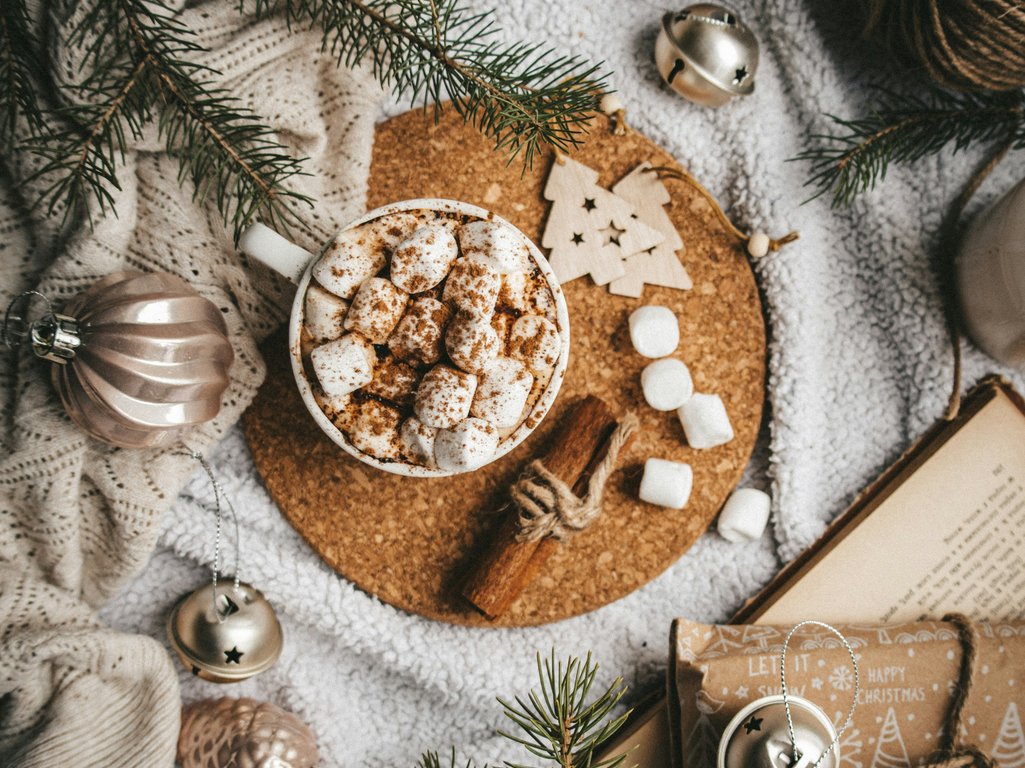
The mere thought of holiday traditions brings smiles to most people’s faces and elicits feelings of anticipation and nostalgia. We can almost smell those candles, taste those special meals, hear those familiar songs in our minds.
Ritual and routine mark some of the most important moments in our lives. From personal milestones like birthdays and weddings to seasonal celebrations like Thanksgiving and religious holidays like Christmas or Hanukkah. The more important the moment, the fancier the ritual. Holiday rituals are bursting with sensory pleasure. From reciting blessings to raising a glass to make a toast, holiday traditions are replete with rituals. Such sensory exuberance helps create lasting recollections of those occasions and marks them in our memory as special events worth repeating.
Research shows that they can provide various psychological benefits, helping us enjoy ourselves, connect with loved ones, and take a respite from the daily grind.
Indeed, there are plenty of reasons to value family rituals. Many of those rituals may of course also be performed at other times throughout the year. But during the holiday season, they become more meaningful. They’re held in a special place (the family home) and with a special group of people (our closest relatives and friends). For this reason, more people travel during the year-end holidays than at any other time of the year. Gathering together from far-flung locations helps people leave their worries behind and, at the same time, lets them reconnect with time-honored family traditions. The most important function of holiday rituals is their role in maintaining and strengthening family ties. In fact, for relatives who live far apart, holiday rituals may be the glue that holds the family together.
Holiday traditions are particularly important for children. Research shows that children who participate in group rituals become more strongly affiliated with their peers. In addition, having more positive memories of family rituals seems to be associated with more positive interactions with one’s own children.
No holiday tradition would be complete without a festive meal.
Since the first humans gathered around the fire to roast their hunt, cooking has been one of the defining characteristics of our species. The long hours spent in the kitchen and the dining room during the preparation and consumption of holiday meals serve some of the same social functions as the hearths of our early ancestors. Sharing a ceremonial meal symbolizes the community, brings the entire family together around the table and smooths the way for conversation and connection. Sharing is caring.
It is common to exchange presents during the holiday period. From a rational perspective, this might seem pointless, at best recycling resources or, at worst, wasting them. But don’t underestimate the importance of these exchanges.
Anthropologists have noted that among many societies ritualized gift-giving plays a crucial role in maintaining social ties by creating networks of reciprocal relationships.
Today, many families give each other lists of desired presents for the holidays. The brilliance of this system lies precisely in the fact that most people end up getting what they would buy anyway – the money gets recycled, but everyone still enjoys the satisfaction of giving and receiving gifts. And as this is a special time of the year, we can even allow ourselves some guilt-free indulgence.
Last year, my wife and I saw a fancy coffee machine that we really liked, but we decided it was too expensive. But in December, we went back and bought it as a mutual present, agreeing that it was OK to splurge a bit for the holidays.
The stuff family is made of. Holiday rituals are the perfect recipe for family harmony. Sure, you might need to take three flights to get there, and they will almost certainly be delayed, and your uncle is bound to get drunk and start a political argument with his son-in-law again.
In other words, our memory of the family holiday will mostly consist of all the rituals (both joyful and silly), the good food, the presents and then hugging everyone goodbye at the end of the night (after your uncle made up with his son-in-law). And by the time you get back home, you’ll have something to look forward to for next year.
Wishing you Happy Holidays!